
Rock climbing places unique and often extreme demands on the upper extremity, particularly at end ranges of motion and under high force, high rate of force development conditions. Despite this, many rehabilitation approaches remain generalized and lack sport-specific application. This course provides a comprehensive framework for evaluating and managing upper extremity injuries in climbers. It emphasizes integrating biomechanics, physiology, and load management principles into clinical decision-making, rather than relying on protocol-driven care. Participants will develop a deeper understanding of injury mechanisms, diagnostic uncertainty, and the role of strength and conditioning in rehabilitation. The course also introduces objective testing strategies and structured return-to-climbing progressions.
By the end of the course, participants will be able to:
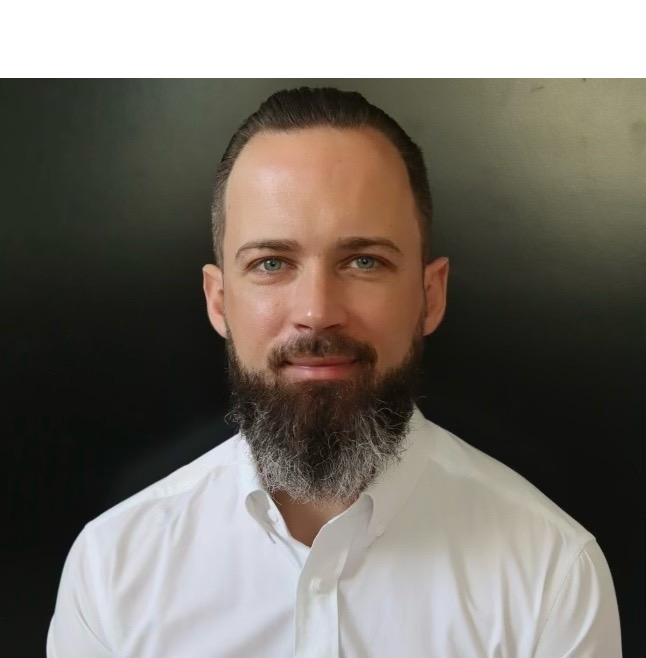
Dr. Tyler Nelson is a chiropractic physician and rehabilitation specialist based in Salt Lake City, Utah, USA. He is the Clinical Director of Camp4 Human Performance, where he works exclusively with rock climbers, focusing on the evaluation, rehabilitation, and performance development of upper extremity injuries.
Dr. Nelson holds a Master’s degree in Exercise Science and is a Certified Strength and Conditioning Specialist (CSCS). Over the past decade, he has developed a niche clinical practice centered on the unique physiological and biomechanical demands of climbing, treating conditions involving the shoulder, elbow, wrist, and fingers.
His work integrates strength and conditioning principles with musculoskeletal rehabilitation, emphasizing objective testing, load management, and sport-specific return-to-play strategies. He regularly teaches courses for healthcare providers and coaches, with a focus on clinical reasoning, uncertainty in diagnosis, and evidence-informed decision-making in clinical populations.
Dr. Nelson is actively involved in research related to youth climbing injuries, particularly periphyseal stress injuries, and is a prospective PhD candidate at Leeds Beckett University. He has contributed to the development of classification systems for finger injuries in adolescent climbers and continues to explore load monitoring and rehabilitation frameworks specific to the sport.





© 2024 movare. Tous droits réservé
Design et réalisation par OQIO